Tailor Morenike Alabi was convinced Tuesday that a decision to ease a lockdown on Nigeria’s largest city, Lagos, was the right call — but other residents feared the move could see coronavirus cases rocket.
“One thing is sure: the suffering, hunger, idleness, and uncertainties of the past one month will ease,” the 33-year-old told AFP as she waited to sell a pile of hand-made facemasks.
“At least, people can go out to look for money to feed.”
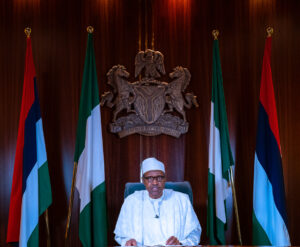
President Muhammadu Buhari on Monday ordered a “phased and gradual easing” from next week of a lockdown covering Africa’s biggest city, neighbouring Ogun state and the national capital Abuja.
For a month now, millions of people have been ordered to stay home under the measures aimed at curbing the spread of a virus that has caused 1,337 confirmed infections and 40 deaths in the country.
The restrictions have seen usually bustling streets emptied and taken a huge toll on the vast numbers of poor who depend on daily earnings to survive.
Bus driver Taju Olonade said the latest move showed the president had finally listened “to the cries of the people”.
ALSO READ: People Talk: Extension of COVID-19 lockdown and 8pm-6am nationwide curfew
“For almost one month I have not earned a penny. My family has been surviving on the little money my wife made,” Olonade told AFP.
“I hope life will soon return to normal.”
– ‘Rising infections’ –
While there was plenty of joy at the decision to roll back the restrictions — some living in the sprawling megacity insisted it came too soon.
“Lifting the lockdown under any guise is not reasonable at a time we continue to post rising infections and deaths from the disease,” complained engineer Alani Amusa.
“The government should have devised other means to cushion the impacts of the lockdown on the people.”
Authorities had pledged a raft of food handouts and loan deferrals to try to help the poor through the measures — but even officials admitted these were a “drop in the ocean”.
For now, the official infection figures in Africa’s most populous nation of 200 million people may seem tiny compared to other countries — but the curve is steepening.
Testing has been severely limited and there are fears the true numbers are higher.
Buhari said the lockdown would be replaced by a nationwide night-time curfew, mandatory mask wearing, and a ban on non-essential travel between regions.
The aim, he insisted, was “to balance the need to protect health while also preserving livelihoods”.
Officials have pledged to step up testing but there are major concerns about capacity after the head of
Tailor Morenike Alabi was convinced Tuesday that a decision to ease a lockdown on Nigeria’s largest city Lagos was the right call — but other residents feared the move could see coronavirus cases rocket.
“One thing is sure: the suffering, hunger, idleness and uncertainties of the past one month will ease,” the 33-year-old told AFP as she waited to sell a pile of hand-made facemasks.
“At least, people can go out to look for money to feed.”
READ ALSO: COVID-19: Kano overtakes FCT with total confirmed cases, records 80 in 24 hours
President Muhammadu Buhari on Monday ordered a “phased and gradual easing” from next week of a lockdown covering Africa’s biggest city, neighbouring Ogun state and the national capital Abuja.
For a month now, millions of people have been ordered to stay home under the measures aimed at curbing the spread of a virus that has caused 1,337 confirmed infections and 40 deaths in the country.
The restrictions have seen usually bustling streets emptied and taken a huge toll on the vast numbers of poor who depend on daily earnings to survive.
Bus driver Taju Olonade said the latest move showed the president had finally listened “to the cries of the people”.
“For almost one month I have not earned a penny. My family has been surviving on the little money my wife made,” Olonade told AFP.
“I hope life will soon return to normal.”
– ‘Rising infections’ –
While there was plenty of joy at the decision to roll back the restrictions — some living in the sprawling megacity insisted it came too soon.
“Lifting the lockdown under any guise is not reasonable at a time we continue to post rising infections and deaths from the disease,” complained engineer Alani Amusa.
“The government should have devised other means to cushion the impacts of the lockdown on the people.”
Authorities had pledged a raft of food handouts and loan deferrals to try to help the poor through the measures — but even officials admitted these were a “drop in the ocean”.
For now, the official infection figures in Africa’s most populous nation of 200 million people may seem tiny compared to other countries — but the curve is steepening.
Testing has been severely limited and there are fears the true numbers are higher.
Buhari said the lockdown would be replaced by a nationwide night-time curfew, mandatory mask wearing, and a ban on non-essential travel between regions.
The aim, he insisted, was “to balance the need to protect health while also preserving livelihoods”.
Officials have pledged to step up testing but there are major concerns about capacity after the head of Nigeria’s disease control agency issued an appeal for kits.
PwC chief economist for Nigeria Andrew Nevin said the authorities faced a huge dilemma weighing the health risks against the social pain.
“Those are very difficult health and economic decisions to take,” he told AFP.
The shutdown had been “devastating” for the informal sector which includes some 70 percent of workers.
“Does the lifting of the lockdown mean that we will see an explosion of COVID cases? We don’t know, no one knows at this stage.”
Chukwuka Onyekwena, director of the Centre for the Study of the Economies of Africa, said the government had little choice but to ease up given rising unemployment and inflation caused by the closures.
Nigeria — Africa’s largest oil producer — has seen its revenues battered by the collapse in crude prices and there is little financial room for maneuvre.
“With the huge fall in oil prices, rising debt and limited fiscal room to respond to the negative effects of this crisis, the future seems very bleak,” he said.
“This is a perfect storm.”
– ‘Mysterious deaths’ –
One area where Buhari did not roll back the restrictions was Kano state, the most populous region in north Nigeria.
Instead he ordered an immediate two-week lockdown on its more than 13 million residents after the local authorities reported a spate of “mysterious deaths”.
The state governor said Monday that there were no signs the fatalities were linked to coronavirus.
But Buhari insisted the government would deploy “all the necessary human, material and technical resources” to curb the pandemic in the region.
According to the official statistics, Kano is the third worst hit area of Nigeria, with 77 infections and 1 death.
The fresh shutdown comes after residents have already spent one week at home under a state-wide restrictions.
And poor residents in the bustling regional capital of Kano echoed complaints heard over the past month on the streets of Lagos.
“I’m a poor man with a family of 18 to feed,” fruit seller Yusuf Mohammed told AFP.
“Now I’m home, spending from my little capital to feed my family. If this lockdown continues I may lose my whole capital and I will have no money.”
‘s disease control agency issued an appeal for kits.
PwC chief economist for Nigeria Andrew Nevin said the authorities faced a huge dilemma weighing the health risks against the social pain.
“Those are very difficult health and economic decisions to take,” he told AFP.
The shutdown had been “devastating” for the informal sector which includes some 70 percent of workers.
“Does the lifting of the lockdown mean that we will see an explosion of COVID cases? We don’t know, no one knows at this stage.”
Chukwuka Onyekwena, director of the Centre for the Study of the Economies of Africa, said the government had little choice but to ease up given rising unemployment and inflation caused by the closures.
Nigeria — Africa’s largest oil producer — has seen its revenues battered by the collapse in crude prices and there is little financial room for maneuvre.
“With the huge fall in oil prices, rising debt and limited fiscal room to respond to the negative effects of this crisis, the future seems very bleak,” he said.
“This is a perfect storm.”
– ‘Mysterious deaths’ –
One area where Buhari did not roll back the restrictions was Kano state, the most populous region in north Nigeria.
Instead he ordered an immediate two-week lockdown on its more than 13 million residents after the local authorities reported a spate of “mysterious deaths”.
The state governor said Monday that there were no signs the fatalities were linked to coronavirus.
But Buhari insisted the government would deploy “all the necessary human, material and technical resources” to curb the pandemic in the region.
According to the official statistics, Kano is the third worst hit area of Nigeria, with 77 infections and 1 death.
The fresh shutdown comes after residents have already spent one week at home under a state-wide restrictions.
And poor residents in the bustling regional capital of Kano echoed complaints heard over the past month on the streets of Lagos.
“I’m a poor man with a family of 18 to feed,” fruit seller Yusuf Mohammed told AFP.
“Now I’m home, spending from my little capital to feed my family. If this lockdown continues I may lose my whole capital and I will have no money.”
[AFP]
The post COVID-19: Relief mixes with worry as Buhari orders lockdowns eased appeared first on Vanguard News.
Comments
Post a Comment